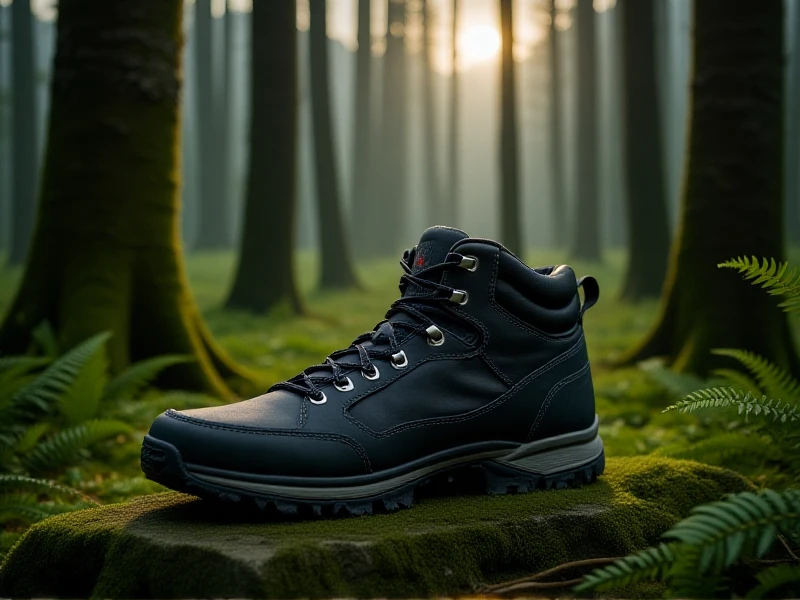
The Ultimate Guide to Choosing Your Perfect Pair of Trekking Shoes
Your adventure awaits! But are you heading into those mountains or forests wearing the best tool for the job? Your trusty trekking shoes are perhaps the most critical piece of gear you'll own. The wrong pair can lead to blisters, sore feet, rolled ankles, and a trip cut painfully short. The right pair keeps you comfortable, stable, and ready to conquer miles with confidence. Here's what truly matters when selecting your next pair of trekking shoes:
- Support & Stability: High-impact trails and uneven terrain demand trekking shoes with excellent support. Look for a sturdy midsole and a rigid shank to prevent torsional twisting, protecting your ankles and feet over sharp rocks and roots. A quality heel counter is crucial for secure ankle hold.
- Breathability: Foot sweat is inevitable. High-breathability mesh uppers are essential to wick away moisture swiftly. This prevents blisters caused by friction and keeps your feet significantly more comfortable, especially on longer hikes and warmer days – the right trekking shoes keep your feet cool and dry.
- Outsole Grip & Durability: The sole's grip dictates your safety! Aggressive, multi-directional lugs provide reliable traction on loose dirt, mud, scree, and wet rocks. Vibram® rubber or proprietary sticky compounds are popular for excellent durability and slip resistance crucial for challenging trekking shoes use. Deep flex grooves also enhance natural motion on varied terrain.
- Cushioning: That pounding downhill impact needs absorbing. Adequate cushioning, particularly in the heel and forefoot, combined with responsive midsole materials like EVA foam or PU, helps manage trail shock and reduces fatigue, translating to fresher feet after miles.
- Ankle Support (Consider Boots): Defining trekking shoes often means mid-top cut (below the ankle), offering great mobility. However, longer hikes, significant elevation changes, uncertain terrain, or heavier loads significantly increase fall risk; trekking boots that fully cover the ankle provide superior stability and protection against twists and impacts.
- Perfect Fit: Even the best technical specs fail if the fit is wrong. You absolutely must try trekking shoes on:
- Bring the socks you intend to wear hiking.
- Do this in the afternoon when feet are naturally slightly larger.
- Ensure ample toe-box space to prevent jamming toes downhill (wiggle room required!).
- Secure heel hold without slipping is non-negotiable.
- Inspect potential pressure points near seams or overlays carefully.
- Waterproofing vs. Breathability: Know Your Needs: Gore-Tex® or similar membranes offer waterproof protection – essential for stream crossings or damp climates. Understand this trade-off: they tend to be less breathable and warmer than standard mesh versions. For dry conditions or fast moving to avoid sweat accumulation, prioritize highly breathable non-waterproof trekking shoes.
- Weight Considerations: Lighter trekking shoes vastly improve agility and reduce leg fatigue on lengthy journeys ('ultra' models excel here). Lightweight midsoles also dry faster. Conversely, heavier options often deliver more robust protection and durability for extreme technical trails or carrying substantial loads – choose based on your planned hike demands.
Your adventures demand the solid foundation only a well-chosen pair of trekking shoes provides. They are your essential connection to the trail. Prioritize support, traction that inspires confidence, excellent breathability, and above all – a flawless fit. Investing time in testing different models represents the best strategy to discover the perfect trekking shoes ready to carry you across endless horizons. Renowned brands like Gregory Pro, Black Diamond, Thule, Scarpa, Mountain Equipment, Lowe Alpine, and La Sportiva consistently deliver reliable designs regardless of terrain intensity. Focus squarely on identifying the features directly matching YOUR specific needs and trekking style today!